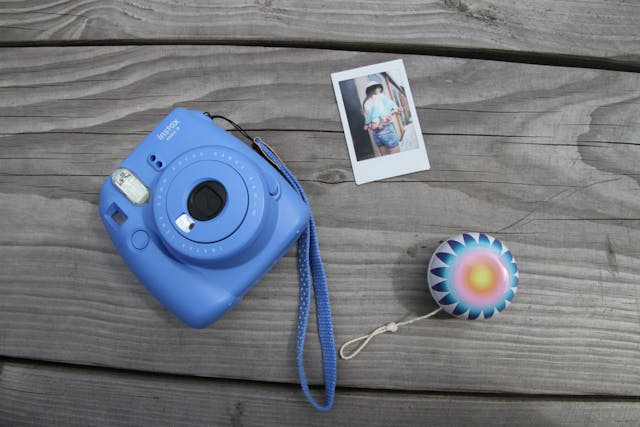
In today’s world, cameras are everywhere — in our phones, laptops, and even traffic lights. But there’s a special type of camera that’s not about professional photography or high-end quality. It’s called a toy camera. When we talk about a “Toy Camera Web”, we mean a small, often low-resolution camera that connects to a computer or the internet for fun, casual, or creative use.
This article will explain what a toy camera web is, how it works, why people use it, and the benefits and limitations of these cameras.
1. What is a Toy Camera Web?
A Toy Camera Web (or sometimes called “web toy camera”) is usually a small, inexpensive camera that connects to your computer through USB or works directly online. It’s called a toy because it’s not built for professional-level photography — instead, it’s for casual use, fun activities, or simple video calls.
These cameras can be:
-
Plastic-built with small lenses.
-
Low-resolution (for example, 480p or 720p).
-
Designed for play, not for serious work.
Some are standalone webcams, while others are built into toys or gadgets for kids.
2. How Does It Work?
The working of a toy camera web is very simple:
-
Connection – Most connect to your computer using a USB cable. Some modern versions can connect via Wi-Fi or Bluetooth.
-
Software or Website Access – You can view the camera feed through:
-
Built-in camera apps on your computer.
-
Special software that comes with the camera.
-
Online platforms that support webcams.
-
-
Basic Features – They usually have very limited settings:
-
On/Off button.
-
Simple zoom (if any).
-
Sometimes built-in filters or fun effects.
-
3. Why is it Called a “Toy Camera”?
The word “toy” here doesn’t mean it’s literally a child’s toy (though some are for kids). It means:
-
Low-cost and basic in features.
-
Fun-oriented rather than professional.
-
Portable and lightweight.
The term comes from photography culture where “toy cameras” like the Holga or Diana were famous for their low-quality but artistic results.
4. Common Uses of a Toy Camera Web
Toy camera web devices are used for:
-
Kids’ entertainment – Many children’s laptops or gadgets include these cameras for fun photo-taking.
-
Casual video chats – If you just need a basic webcam for Zoom, Skype, or Google Meet.
-
Online creative projects – Adding fun filters, cartoon effects, or toy-like color styles.
-
Learning photography basics – A cheap and safe way for kids to learn how to use a camera.
-
Monitoring pets or rooms – As a simple live feed camera for personal use.
5. Benefits of Using a Toy Camera Web
While they’re not perfect, toy camera webs have some clear advantages:
-
Affordable – Most cost a fraction of professional webcams.
-
Lightweight and Portable – Easy to carry and connect anywhere.
-
Fun Effects – Some come with built-in effects that make photos look like cartoons, vintage pictures, or colorful toys.
-
Safe for Kids – Their low quality and simple design make them good for children’s first camera experience.
-
Easy Setup – Usually plug-and-play, with no complex installation.
6. Limitations You Should Know
Of course, a toy camera web isn’t made for high-end results. The downsides include:
-
Low Image Quality – Blurry or pixelated pictures, especially in low light.
-
Limited Features – No advanced focus, exposure control, or professional settings.
-
Not Durable – Cheap materials mean they may break if dropped.
-
Short Lifespan – They might stop working after heavy use.
-
Noisy Sound – If they have microphones, the sound quality is usually poor.
7. Examples of Toy Camera Web Devices
Some examples include:
-
Kid-Friendly Webcams with colorful plastic designs.
-
Miniature Laptop Cameras built for children’s learning laptops.
-
Budget USB Webcams sold for under $10–$15.
-
Novelty Cameras shaped like animals, cars, or cartoon characters.
8. Tips for Getting the Best Out of a Toy Camera Web
If you have a toy camera web and want to make the most of it:
-
Use Good Lighting – Bright natural light improves the image.
-
Clean the Lens – Wipe gently to avoid blurry spots.
-
Adjust Position – Place it at eye level for better angles.
-
Use Fun Apps – Add filters or effects to make up for the low resolution.
-
Protect It – Keep it safe from dust and drops.
9. Future of Toy Camera Webs
While smartphone and laptop cameras are improving rapidly, toy camera webs will still have a place for:
-
Educational purposes.
-
Art projects that love the “low-fi” vintage look.
-
Gadget gifts for kids and hobbyists.
Technology might make them slightly better in quality, but they’ll likely remain cheap and fun rather than professional.
Conclusion
A Toy Camera Web is not about perfect pictures — it’s about simple, fun, and budget-friendly video or photo experiences. Whether it’s for a child’s first webcam, a quirky online project, or a playful gadget for casual chats, these cameras are a lighthearted piece of tech in a world full of high-end devices.
If you want professional results, this isn’t your choice. But if you want something playful and affordable, a toy camera web can be a great little companion.