In the bustling city of Covina, California, the intersection of Rowland Street South and Barranca Avenue is a well-known spot for both locals and visitors. This busy intersection, like many others in urban areas, has been equipped with a red light camera to enhance road safety and reduce traffic violations. If you’ve driven through this area, you might have noticed the camera or even received a ticket in the mail. In this article, we’ll dive deep into everything you need to know about the red light camera at Rowland St S and Barranca Ave, from how it works to its impact on the community, and even tips to avoid getting a ticket. Let’s break it down in simple terms so you can understand the system and what it means for you as a driver.
What Is a Red Light Camera?
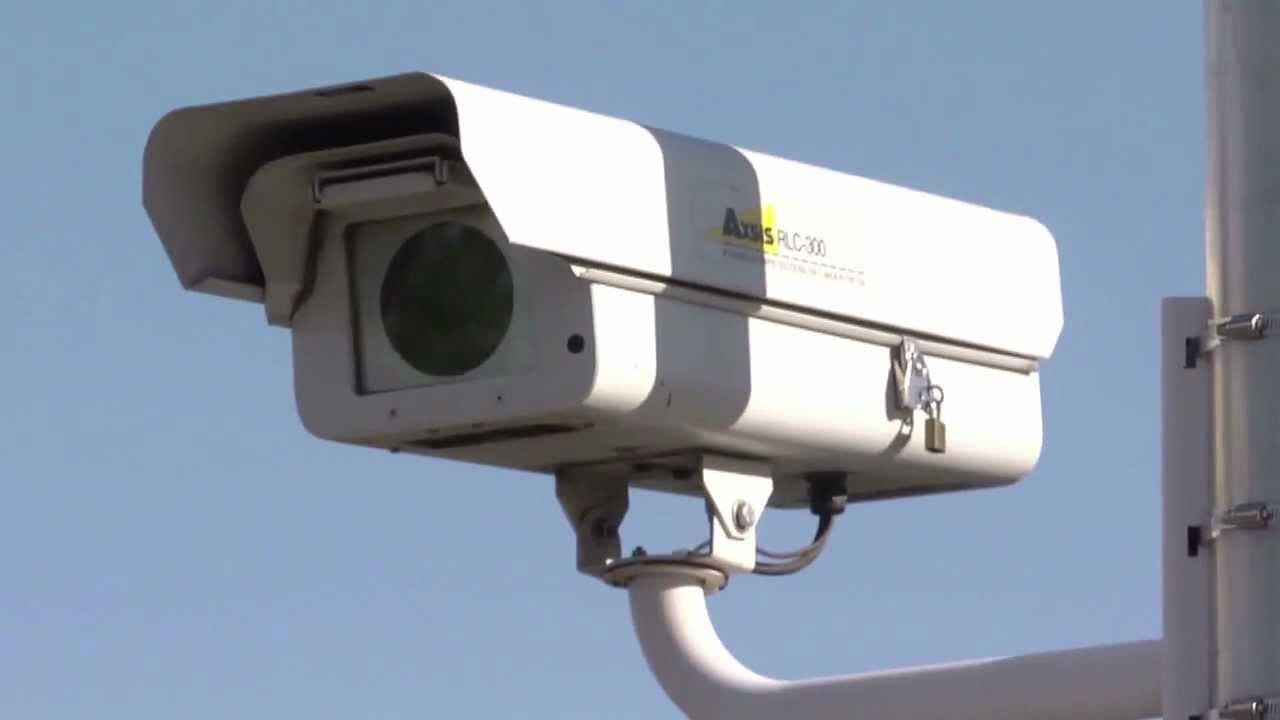
A red light camera is a device installed at intersections to catch drivers who run red lights. These cameras are part of an automated traffic enforcement system designed to make roads safer by discouraging drivers from ignoring traffic signals. When a vehicle crosses the intersection after the light turns red, the camera snaps pictures and records a short video to document the violation. This evidence is then used to issue a citation (ticket) to the vehicle’s registered owner.
At the Rowland St S and Barranca Ave intersection, the red light camera has been in place for many years, operated by the Covina Police Department as part of the city’s traffic safety program. The goal is to reduce accidents caused by drivers running red lights, which can lead to dangerous collisions, injuries, and even fatalities.
How Does the Red Light Camera Work at This Intersection?
The red light camera system at Rowland St S and Barranca Ave is designed to be precise and fair. Here’s a step-by-step look at how it works:
-
Sensors Detect Movement: The system uses sensors embedded in the road near the intersection’s stop line (the white line where vehicles must stop). These sensors are triggered when a vehicle moves past the stop line after the traffic light turns red.
-
Camera Activation: Once the sensors detect a vehicle crossing the stop line during a red light, the camera is activated. It doesn’t take pictures if you’re already in the intersection when the light turns red (for example, if you’re waiting to make a turn).
-
Capturing Evidence: The camera takes three images:
-
The first image shows the vehicle at the stop line with the red light illuminated.
-
The second image shows the vehicle in the middle of the intersection, still with the red light on.
-
The third image is a close-up of the vehicle’s license plate to identify the car.
-
-
Video Recording: In addition to the photos, the system records a 12-second video clip—six seconds before the violation and six seconds after—to provide a clear view of what happened.
-
Data Collection: The system also records details like the date, time, and duration of the yellow and red light phases to ensure the traffic signal was working correctly.
-
Review by Police: The Covina Police Department reviews every potential violation captured by the camera. Not every flash of the camera results in a ticket. For example, if you stop just past the stop line but don’t enter the intersection, or if the camera is triggered by mistake, the police may decide not to issue a citation. The system is said to have over 80% accuracy in identifying violations caused by excessive speed or clear red-light running.
-
Issuing Citations: If the police determine a violation occurred, a citation is mailed to the registered owner of the vehicle. The ticket includes the photos, a link to view the video online (usually at a site like www.violationinfo.com), and instructions on how to respond.
Why Is There a Red Light Camera at Rowland St S and Barranca Ave?
The intersection of Rowland St S and Barranca Ave is a busy one, with significant traffic flow due to its location in Covina, a city in Los Angeles County. Busy intersections like this one are prone to accidents, especially when drivers try to “beat” a yellow light or ignore a red light altogether. According to the Insurance Institute for Highway Safety, red light running is a leading cause of urban crashes, often resulting in injuries or fatalities. The Covina Police Department installed the red light camera system in 2007 to address safety concerns at this and other high-risk intersections, including Badillo Street and Grand Avenue, and Cypress Street and Azusa Avenue.
The camera at Rowland St S and Barranca Ave is part of a broader effort to:
-
Reduce Collisions: By deterring red light running, the camera helps prevent side-impact (T-bone) crashes, which are common when drivers run red lights.
-
Protect Pedestrians: This intersection is in a populated area with pedestrian activity, so the camera helps ensure drivers stop when they should, keeping walkers safe.
-
Encourage Safe Driving: The presence of the camera reminds drivers to follow traffic rules, promoting better driving habits.
Studies, like those referenced on websites such as usa.streetsblog.org, suggest that red light cameras can reduce right-angle crashes, though some critics argue their effectiveness is overstated. In Covina, the system has likely contributed to fewer accidents at this intersection, though exact statistics for this specific location are hard to come by.
What Happens If You Get a Ticket?
If you receive a red light camera ticket from the Rowland St S and Barranca Ave intersection, here’s what you can expect:
-
Citation in the Mail: The ticket will arrive by mail, addressed to the vehicle’s registered owner. It will include the three photos, details about the violation (date, time, location), and instructions for viewing the video evidence online.
-
Fine Amount: The fine for a red light camera ticket in California is typically around $490 or more, though the exact amount can vary. The citation will list the bail amount (the fine you must pay if you plead guilty).
-
Options for Responding: You have several options when you receive a ticket:
-
Pay the Fine: You can pay the fine online at www.violationinfo.com or by following the instructions on the ticket. Paying the fine means you’re pleading guilty, but red light camera violations in California typically don’t add points to your driving record.
-
Contest the Ticket: You can fight the ticket using a Trial by Written Declaration, where you submit a written statement to the court explaining why you believe you’re not guilty. You’ll need to pay the bail amount upfront, but it’s refunded if you win. Another option is to request a court appearance to argue your case in person.
-
Submit an Affidavit of Non-Liability: If you weren’t driving the vehicle at the time of the violation, you can submit an affidavit with the name, address, and driver’s license information of the person who was driving. This must be done at least five days before the court date listed on the ticket.
-
Ignore the Ticket (Not Recommended): Some sources, like posts on Reddit, suggest ignoring red light camera tickets in Los Angeles County because the county’s Superior Court may not pursue them aggressively (e.g., no DMV points or credit report impact). However, this is risky. If you ignore the ticket, you may receive scarier collection letters, and the fine could increase. Always consult a legal professional before deciding to ignore a ticket.
-
-
Snitch Tickets: In some cases, you might receive a “snitch ticket,” which looks like a real ticket but is actually a notice asking you to identify the driver. These tickets often have four photos arranged at the bottom of the page. According to sites like www.ticketninjaca.com, you can safely ignore snitch tickets, as they’re not official citations. However, if you receive a real ticket (with photos in a column on the right side), you must respond.
Tips to Avoid a Red Light Camera Ticket
Nobody wants to deal with the hassle and cost of a red light camera ticket. Here are some practical tips to avoid getting one at Rowland St S and Barranca Ave:
-
Slow Down at Intersections: Approach the intersection cautiously, especially if the light is yellow. Yellow lights are a warning to stop, not a signal to speed up.
-
Obey Yellow Light Timing: The yellow light duration at this intersection is set to give drivers enough time to stop safely, based on the road’s speed limit. If you’re too close to stop safely, proceed through the intersection, but don’t try to “beat” the light.
-
Keep a Safe Distance: Maintain enough space between your car and the vehicle in front of you. This gives you room to stop without rear-ending someone if they brake suddenly.
-
Look for Warning Signs: The intersection is marked with “Photo Enforcement” signs (often SR-56 signs) to alert drivers about the camera. Pay attention to these signs and drive carefully.
-
Come to a Complete Stop for Right Turns: If you’re making a right turn on red, come to a full stop before proceeding. The camera can trigger if you slow down but don’t stop completely.
-
Check the Light Timing: If you believe the yellow light was too short, you can return to the intersection to check for warning signs or observe the light cycle. Some defenses against tickets involve arguing that the yellow light duration was inadequate, though you’ll need evidence to support this claim.
Public Perception and Controversies
Red light cameras, including the one at Rowland St S and Barranca Ave, have sparked debates among drivers, lawmakers, and safety advocates. Here are some common points of view:
-
Supporters Say: Red light cameras improve safety by reducing crashes and encouraging drivers to follow traffic rules. Studies, like those cited on usa.streetsblog.org, show that cameras can decrease right-angle collisions at intersections.
-
Critics Argue: Some drivers believe red light cameras are more about generating revenue for the city than improving safety. Others question their accuracy, pointing to cases where cameras flash even when no violation occurs (e.g., stopping just past the stop line). There’s also concern about short yellow light times, which can make it harder for drivers to stop safely.
-
Local Context: In Covina, the red light camera program has been in place since 2007, and the police department emphasizes that every violation is reviewed to ensure fairness. However, posts on platforms like Reddit (e.g., a 2018 thread about this intersection) show frustration among drivers, with some claiming the camera was broken or that tickets were issued unfairly (e.g., for right turns on non-school days). Others advise ignoring tickets, citing Los Angeles County’s lenient enforcement policies, though this advice is controversial and not always reliable.
Legal Defenses for Fighting a Ticket
If you decide to contest a red light camera ticket from this intersection, here are some common defenses, based on information from sites like www.ticketninjaca.com:
-
Unclear Driver Photo: California law requires a clear photo of the driver for red light camera tickets. If the photo is blurry or doesn’t clearly show you, you may be able to get the ticket dismissed.
-
Yellow Light Timing: You can argue that the yellow light was too short, making it impossible to stop safely. You’ll need to request proof from the camera operator that the light timing was set correctly.
-
Missing Warning Signs: If you believe there were no “Photo Enforcement” signs near the intersection, you can check and use this as a defense. However, Covina’s intersections, including this one, are typically well-marked.
-
Not the Driver: If you weren’t driving, you can submit an Affidavit of Non-Liability with the driver’s information. Be prepared to provide accurate details to avoid further complications.
-
Trial by Written Declaration: This is a popular way to fight tickets without going to court. You submit a written statement, and the court reviews it. If you lose, you can request a new trial in person. Services like Ticket Ninja can help prepare your paperwork for a fee.
The Bigger Picture: Red Light Cameras in Covina and Beyond
The red light camera at Rowland St S and Barranca Ave is just one part of Covina’s traffic safety program. The city also has cameras at other intersections, like Badillo Street and Grand Avenue, and Cypress Street and Azusa Avenue. These locations were chosen because of their high traffic volumes and history of collisions. While some California cities, like those in Riverside and West Covina, have discontinued their red light camera programs, Covina continues to use them to promote safety.
Nationwide, red light cameras remain a hot topic. Supporters point to data showing fewer crashes, while critics argue they infringe on privacy and can unfairly penalize drivers. In Covina, the focus remains on reducing accidents and protecting residents, but the system isn’t perfect, and drivers should stay informed about their rights and options.
Conclusion
The red light camera at Rowland Street South and Barranca Avenue in Covina, California, is a key part of the city’s efforts to make roads safer. By capturing violations and encouraging drivers to stop at red lights, the camera helps prevent dangerous crashes and protects pedestrians. However, it’s not without controversy, and receiving a ticket can be stressful and costly. By understanding how the system works, following safe driving practices, and knowing your options for responding to a ticket, you can navigate this intersection with confidence.
If you receive a ticket, take the time to review the evidence, consider your defenses, and decide whether to pay, contest, or seek legal advice. Above all, drive cautiously, obey traffic signals, and keep an eye out for those “Photo Enforcement” signs. Safe driving not only keeps you ticket-free but also contributes to a safer community for everyone.