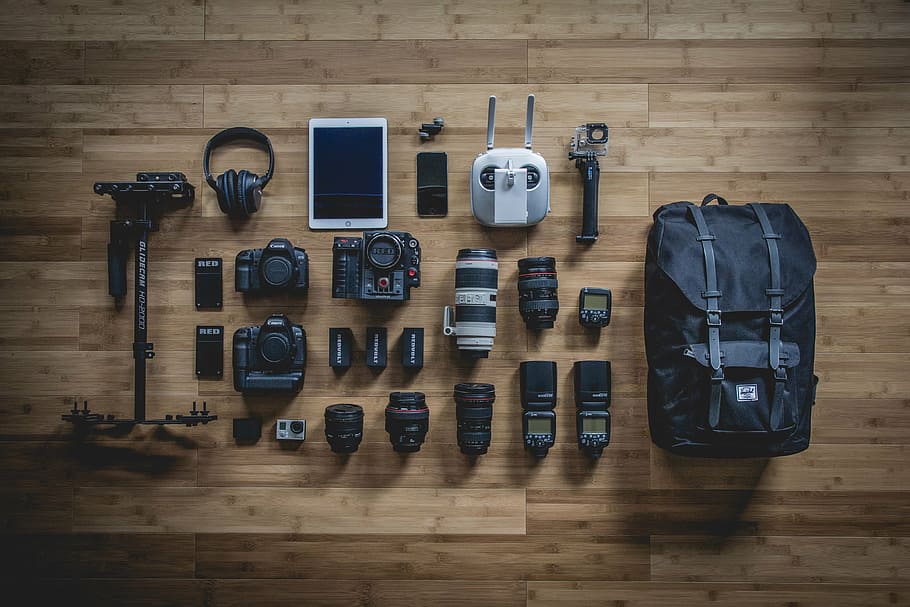
Cameras are valuable tools for capturing memories, creative projects, and professional work. Whether you have a simple point-and-shoot or a high-end DSLR or mirrorless camera, storing it properly is important to keep it in good condition. Poor storage can lead to damage, dust buildup, or even mold growth on your lenses. In this guide, we’ll explain step-by-step how to store your camera safely, whether for short-term or long-term use.
1. Why Proper Camera Storage Matters
Many photographers overlook storage, but it plays a big role in the camera’s lifespan.
Poor storage can cause:
-
Dust and dirt to collect on the lens and inside the body.
-
Moisture damage, leading to mold or fungus.
-
Battery leaks, which can damage internal circuits.
-
Scratches or physical damage from accidental drops.
By storing your camera correctly, you protect your investment and ensure it’s always ready to use.
2. Preparing Your Camera for Storage
Before putting your camera away, follow these preparation steps:
a. Clean Your Camera
-
Use a soft brush or air blower to remove dust from the body and lens.
-
Wipe the lens gently with a microfiber cloth and lens cleaning solution.
-
Check all buttons and controls for dust or dirt.
b. Remove the Battery
-
Never store a camera with the battery inside for long periods.
-
Batteries can leak or lose charge over time.
-
Store batteries separately in a cool, dry place.
c. Remove the Memory Card
-
Take out the memory card and store it in a protective case.
-
This prevents accidental corruption and damage.
d. Protect the Lens
-
Always attach the lens cap.
-
If you have interchangeable lenses, consider storing them separately with both front and rear caps on.
3. Choosing the Right Storage Location
Your storage spot should protect the camera from:
-
Extreme temperatures (avoid hot attics or freezing garages).
-
High humidity (avoid damp basements).
-
Direct sunlight (heat can damage electronics and plastic parts).
Best locations:
-
A climate-controlled room.
-
A dedicated cabinet or shelf away from windows and heaters.
4. Using Protective Cases and Bags
A camera bag or case is one of the safest ways to store your camera.
-
Hard cases offer better protection from impacts.
-
Padded camera bags are lighter and protect from dust.
-
Use silica gel packets inside the bag to absorb moisture.
5. Protecting from Humidity and Mold
Moisture is one of a camera’s worst enemies. It can cause fungus to grow inside the lens, which is hard to remove.
Tips:
-
Store cameras in a dry cabinet or airtight box with silica gel.
-
Change silica gel packs every few months.
-
Avoid storing cameras in plastic bags for long periods, as they can trap moisture.
6. Long-Term Camera Storage Tips
If you won’t use your camera for months:
-
Wrap it in a soft cloth before placing it in a case.
-
Store lenses separately to prevent accidental scratches.
-
Check it every few weeks to ensure there’s no moisture buildup.
-
Recharge batteries occasionally to maintain health.
7. Avoiding Common Storage Mistakes
Many people unknowingly harm their cameras by:
-
Storing them in extremely hot cars.
-
Leaving the lens uncapped.
-
Keeping the camera in damp closets.
-
Forgetting to remove the battery.
Avoid these mistakes to keep your camera safe.
8. Quick Storage for Daily Use
If you use your camera frequently:
-
Keep it in a ready-to-use camera bag.
-
Store it on a stable shelf with the lens cap on.
-
Avoid leaving it on the floor where it can be kicked or stepped on.
Conclusion
Proper camera storage is more than just putting it on a shelf — it’s about protecting it from dust, moisture, scratches, and other dangers. By cleaning it, removing the battery, using a protective case, and storing it in a dry, temperature-controlled environment, you can keep your camera in great shape for years.
Whether you’re a professional photographer or just someone who loves capturing memories, taking the time to store your camera the right way is a simple habit that can save you from costly repairs and keep your gear ready for your next adventure.