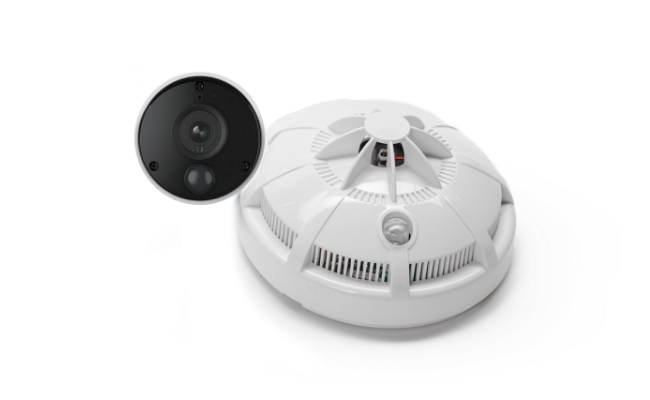
A smoke detector camera is a hidden surveillance device that looks like a regular smoke detector but has a small camera built inside it. This device combines two things: the appearance of a fire safety tool and the function of a security camera. Because it blends in with the ceiling, most people won’t notice that it’s actually recording.
In this article, we’ll explain what a smoke detector camera is, how it works, why people use it, the types available, benefits, safety concerns, and legal points you should know before installing one.
1. What Is a Smoke Detector Camera?
A smoke detector camera is a hidden or disguised camera designed to look exactly like a normal smoke detector. The outer shell is similar to the plastic casing of a real smoke alarm, but instead of a smoke-sensing unit, it contains:
-
A miniature camera lens
-
Internal electronics for recording or transmitting video
-
Sometimes a microphone for audio
-
A memory card slot or wireless connection
Some models may still function as real smoke detectors along with recording, but many are just cameras and do not provide fire safety.
2. How Does a Smoke Detector Camera Work?
The working principle is similar to any hidden surveillance camera:
-
Power Source – It may run on rechargeable batteries or be connected to electrical wiring.
-
Camera Lens – A tiny, wide-angle lens captures video, usually positioned so it can see the entire room from above.
-
Storage or Streaming –
-
Some models record onto an SD card inside the device.
-
Others send live video over Wi-Fi to your phone, computer, or DVR.
-
-
Optional Audio Recording – If the model supports audio, it records sounds in the room.
-
Motion Detection – Many have motion sensors so they only record when movement is detected, saving storage and battery life.
3. Why Do People Use Smoke Detector Cameras?
Smoke detector cameras are mainly used for covert security purposes because they are difficult to spot. Common uses include:
-
Home Security – To watch over living rooms, hallways, or entry points without alerting visitors.
-
Office or Store Surveillance – To monitor employees, customers, or prevent theft.
-
Nanny Cams – Parents may use them to keep an eye on babysitters or caregivers.
-
Evidence Collection – In cases where discreet monitoring is needed for security investigations.
4. Types of Smoke Detector Cameras
There are different models to fit various needs:
-
Battery-Powered Models
-
Portable and easy to install
-
No wiring needed
-
Limited battery life (needs charging)
-
-
Hardwired Models
-
Connected to building’s electrical system
-
Continuous power supply
-
Professional installation required
-
-
Wi-Fi Enabled Models
-
Stream video to your phone or computer in real-time
-
Can be accessed from anywhere
-
Requires a stable internet connection
-
-
SD Card Recording Models
-
Store footage directly on a memory card
-
No internet needed
-
Footage can be checked later
-
5. Advantages of Smoke Detector Cameras
-
Discreet Monitoring – Blends with the ceiling, not noticeable to most people.
-
Wide Viewing Angle – Positioned high up for maximum coverage.
-
Deters Theft & Misconduct – Even if unnoticed, it provides valuable evidence.
-
Easy Placement – Ceilings offer a good position for surveillance.
6. Limitations and Safety Concerns
While they are useful, there are some important points to keep in mind:
-
Not Always a Real Smoke Detector – Some only look like one and do not provide fire safety.
-
Ethical Concerns – Using hidden cameras in private areas (like bathrooms or bedrooms) is unethical and often illegal.
-
Video Quality – Some models have lower resolution due to the small size of the camera.
-
Maintenance – Battery models need regular charging or replacement.
7. Legal Considerations
Before installing a smoke detector camera, you must check your local laws. In many countries and states:
-
You cannot record people in places where they expect privacy (bathrooms, bedrooms, changing rooms, etc.).
-
Audio recording often requires consent from one or all parties.
-
Business owners must follow workplace surveillance rules.
Failing to follow the law can lead to fines or criminal charges. Always inform people if required by law.
8. How to Choose the Right Smoke Detector Camera
When buying one, consider:
-
Video Resolution – 1080p or higher for clear footage.
-
Night Vision – For recording in low-light conditions.
-
Wi-Fi Capability – If you want remote viewing.
-
Battery Life – Longer battery life means less charging.
-
Storage – Cloud storage or large SD card support.
9. Installation Tips
-
Place it in the center of the room for maximum coverage.
-
Make sure it faces the main entry points.
-
Keep it at a height where it captures the entire area.
-
Test the camera after installation to ensure it’s working.
Final Thoughts
A smoke detector camera is a smart way to monitor spaces discreetly. Whether for home security, office safety, or investigative purposes, it offers a unique advantage by staying hidden in plain sight.
However, remember that privacy laws are strict in many areas, so use them only for legal purposes. If you need both fire safety and security, choose a model that functions as a real smoke detector while also recording video.